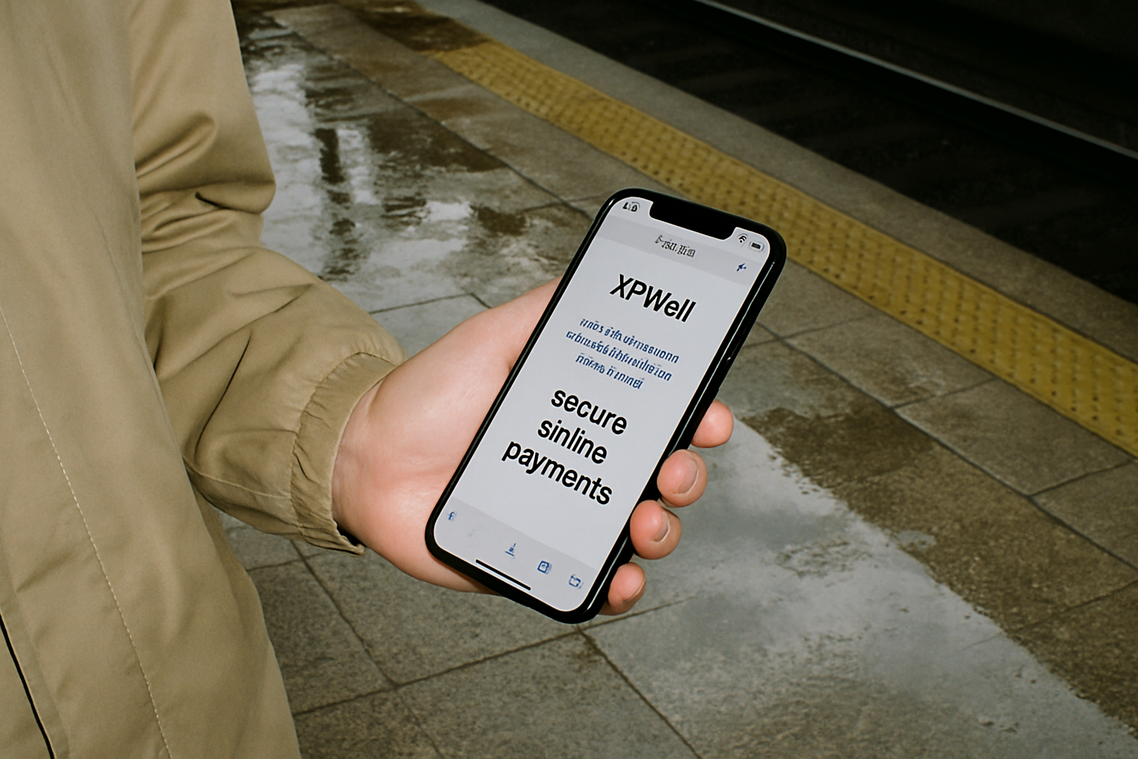
The Alarming Reality: Webpay.md's Low Trust Score and Malicious Reports
In today's digital landscape, online payment portals are indispensable, yet they also present significant vulnerabilities for unsuspecting users. A particularly concerning case is that of webpay.md, a domain that has recently drawn scrutiny due to a strikingly low trust score and a series of alarming reports concerning its legitimacy and safety. Understanding these warnings is crucial for anyone who might encounter this site, or any similar online payment platform.
According to ScamAdviser, a reputable platform for assessing website trustworthiness, webpay.md currently holds a trust score of 0, indicating a high probability of it being a scam. This score, last updated just a few weeks prior to this analysis, is a stark warning sign for potential users. While several technical indicators might initially suggest a level of legitimacy, a deeper dive reveals a troubling landscape of reported malicious activity and phishing attempts.
On the surface, webpay.md exhibits certain characteristics often associated with legitimate websites. For instance, it possesses a valid SSL certificate, which encrypts communication between a user's browser and the website. Professional companies rely on SSL to protect sensitive data. Furthermore, the domain name has been registered for more than a year in advance, and the website itself has existed for several years. Typically, long-term domain registration and a site's age are considered positive indicators, suggesting a business intends to operate for an extended period, unlike many fly-by-night scam operations that register domains for only a year.
However, these positive signs are overshadowed by critical red flags. The site has been explicitly reported as Malicious by various security entities. More specifically, IPQS, a leading fraud prevention service, has flagged webpay.md for Phishing and as Suspicious. These reports are not to be taken lightly. Phishing attempts involve deceptively acquiring sensitive information, such as usernames, passwords, and credit card details, by masquerading as a trustworthy entity. The combination of a low trust score with direct reports of malicious activity and phishing renders webpay.md a high-risk domain that users should approach with extreme caution, if at all.
Deconstructing Https //Xpwell.webpay.md: A Case Study in Potential Phishing
The specific query surrounding Https //Xpwell.webpay.md introduces an additional layer of complexity and potential danger. It's crucial to understand the implications of such a subdomain appearing within a domain already flagged for malicious activity. Our analysis indicates a potential for misdirection and an attempt to mimic legitimate services.
For instance, legitimate healthcare providers like Xpress Wellness Urgent Care explicitly state their official payment options. As per the reference context, Xpress Wellness offers bill payment through services like doxo and does not list Https //Xpwell.webpay.md as an official payment portal. This is a critical distinction. When a legitimate entity clarifies its payment methods and a seemingly similar URL appears outside of those official channels, it immediately raises a red flag.
Phishing attacks often leverage subdomains or slight variations of legitimate URLs to deceive users. An attacker might create a subdomain like "xpwell" on a compromised or malicious domain (like webpay.md in this context) to make it appear as if it belongs to Xpress Wellness. The average user might not notice the critical difference in the primary domain and assume they are on a legitimate payment page, especially if the site's design mimics the official branding.
Therefore, encountering Https //Xpwell.webpay.md should be treated with extreme skepticism. Given the documented malicious and phishing reports against the root domain webpay.md, any subdomain under its umbrella, regardless of how official it appears, inherits this high-risk status. Users attempting to pay bills for services like Xpress Wellness Urgent Care should always navigate directly to the official provider's website and use the payment links provided there, rather than following links from emails, advertisements, or third-party sites that lead to suspicious domains like webpay.md.
For further insights into the core issues, you might find it helpful to read Is Webpay.md a Scam? Unpacking Its Low Trust Score. To understand more about the specific URL in question, consider visiting Https://Xpwell.webpay.md: Is This Payment Site Safe?
Understanding Red Flags: SSL, Domain Age, and Advanced Phishing Tactics
While the initial assessment of webpay.md highlighted some seemingly positive indicators like a valid SSL certificate and a relatively old domain, it's vital to understand the limitations of these security markers in the face of sophisticated phishing and malicious tactics.
The Nuance of SSL Certificates
A valid SSL certificate, indicated by "HTTPS" in the URL and often a padlock icon, signifies that the connection between your browser and the website is encrypted. This is fundamental for protecting sensitive data during transmission. However, an SSL certificate merely guarantees encryption; it doesn't vouch for the legitimacy or trustworthiness of the website owner. Scammers can easily obtain free or inexpensive SSL certificates, giving their malicious sites a veneer of security. Therefore, while the absence of HTTPS is an immediate red flag, its presence alone is not a guarantee of safety. Always check the certificate details by clicking the padlock icon to see who the certificate was issued to, although even this can be spoofed in highly advanced attacks.
The Deception of Domain Age
Similarly, a domain's age and its long-term registration are generally positive indicators. Most legitimate businesses invest in long-term domain registration to secure their online presence. Scammers, conversely, often register domains for the shortest possible period, discarding them once their scheme is exposed. However, this is not an infallible rule. Malicious actors can buy existing, aged domain names from previous owners, inheriting their age and history. They then repurpose these domains for their illicit activities. This means an old domain might suddenly become a conduit for new scams, making continuous vigilance necessary.
Advanced Phishing Tactics
Modern phishing attacks are increasingly sophisticated. Beyond simply spoofing logos or sending generic emails, they employ tactics like:
- Typosquatting: Registering domain names that are slight misspellings of legitimate ones (e.g.,
webpayy.mdinstead ofwebpay.md). - Homograph Attacks: Using characters from different alphabets that look identical to Latin characters in a URL to trick users.
- Subdomain Exploitation: As seen with
Https //Xpwell.webpay.md, creating subdomains on a compromised or malicious root domain that mimic legitimate service providers. - Brand Impersonation: Replicating the exact look and feel of a known company's website, complete with branding, design, and even contact forms, to trick users into believing it's the official site.
- Spear Phishing: Highly targeted attacks tailored to specific individuals or organizations, often leveraging information gleaned from social media or other public sources to make the phishing attempt seem more credible.
Safeguarding Your Payments: Essential Tips for Online Security
Given the pervasive nature of online threats, adopting robust security practices is non-negotiable, especially when dealing with online payments. Here are actionable tips to protect yourself:
- Verify URLs Meticulously: Before entering any sensitive information, double-check the URL in your browser's address bar. Ensure it exactly matches the official website's domain name. Be wary of subtle misspellings, extra characters, or unusual subdomains. For instance, always ensure you are on
yourbank.com, notyourbank.scam.comoryourrnbank.com. - Go Directly to the Source: Never click on payment links sent via email, text messages, or unofficial social media posts, even if they appear legitimate. Instead, manually type the official website's URL into your browser or use a trusted bookmark. For service providers like Xpress Wellness, navigate directly to their official website and find their designated payment portal.
- Beyond HTTPS and the Padlock: While a valid SSL certificate is a baseline, it's not a silver bullet. Always look for other indicators of legitimacy, such as a professional design, correct grammar, and comprehensive "About Us" and "Contact Us" sections.
- Monitor Your Accounts: Regularly review your bank statements and credit card activity for any unauthorized transactions. Promptly report any suspicious activity to your financial institution.
- Use Strong, Unique Passwords and 2FA: Employ complex, unique passwords for all your online accounts, especially financial ones. Utilize a password manager to help. Enable two-factor authentication (2FA) wherever available; this adds an extra layer of security by requiring a second form of verification (e.g., a code from your phone) in addition to your password.
- Keep Software Updated: Ensure your operating system, web browser, and security software are always up to date. Updates often include critical security patches that protect against the latest threats.
- Be Skeptical of Unsolicited Communications: Treat any unsolicited emails, calls, or messages asking for personal or financial information with extreme caution. Legitimate organizations rarely request sensitive data through these channels.
- Use Security Software: Install and maintain reputable antivirus and anti-malware software on your devices. These tools can help detect and block access to known malicious websites and files.
In conclusion, the analysis of webpay.md and the specific concerns surrounding Https //Xpwell.webpay.md serve as a potent reminder of the constant vigilance required in the digital age. While conveniences like online payment portals streamline our lives, they also demand a heightened sense of awareness regarding security risks. Prioritize verifying URLs, going directly to official sources, and recognizing the nuanced signs of a potential scam over trusting a website at face value. Your financial security and personal data depend on it.